Benefits of drinking coffee in the morning
Benefits of drinking coffee in the morning
Benefits of drinking coffee in the morning
Benefits of drinking coffee in the morning
Benefits of drinking coffee in the morning
Benefits of drinking coffee in the morning


Benefits of drinking coffee in the morning
Benefits of Drinking Morning Coffee
Coffee has become an indispensable part of the morning routine of millions of people around the world. Besides its delicious taste, coffee also brings many surprising benefits to health and spirit. Let's explore the interesting things behind the familiar cup of coffee every morning.

Morning Coffee: A Source of Energy and Alertness
Drinking coffee in the morning is not only a habit but also an effective method to start a new day with abundant energy and a clear mind.

Caffeine stimulates the central nervous system
Caffeine, the main ingredient in coffee, is a natural stimulant that acts directly on the central nervous system. It works by blocking adenosine, a neurotransmitter that causes drowsiness and fatigue. When adenosine is blocked, nerve cells are more active, helping you feel alert and full of energy.
- Increase alertness: Caffeine helps you overcome the feeling of drowsiness after waking up and is ready to face the challenges of the day.
- Improve reflexes: Caffeine can shorten reaction time, helping you process information faster and more effectively.
- Reduce sleepiness: Caffeine is a great solution to combat sleepiness in the morning or during times when you need to concentrate.
Increase concentration and cognitive ability
In addition to increasing energy, coffee also has the ability to improve concentration and cognitive ability. This is especially useful for jobs that require high attention and problem solving ability.
- Improve memory: Caffeine can help improve short-term memory and the ability to remember information.
- Improve concentration: Coffee helps you focus on work and minimize distractions.
- Increase problem-solving ability: Caffeine can help you think creatively and come up with effective solutions to complex problems.
Improve mood, reduce stress
A cup of coffee in the morning can not only help you wake up, but can also improve your mood and reduce stress. Caffeine stimulates the production of neurotransmitters such as dopamine and serotonin, which have a positive and relaxing effect.
- Reduce stress and anxiety: Coffee can help you cope with stress and anxiety by stimulating the production of neurotransmitters that have a calming effect.
- Improve mood: Caffeine can help you feel happier and more optimistic, thereby starting the day on a positive note.
- Boost confidence: The feeling of alertness and focus that coffee brings can help you feel more confident in your abilities.

Potential health benefits of morning coffee
Research shows that, in addition to the immediate effects of energy and alertness, coffee also brings many long-term health benefits.
Provides antioxidants, protects cells
Coffee is a rich source of antioxidants, which help protect cells from damage caused by free radicals. Free radicals are unstable molecules that can cause oxidation, leading to aging and chronic diseases.
- Reduce the risk of cancer: The antioxidants in coffee may help prevent the growth of cancer cells.
- Protect the heart: Antioxidants may help reduce bad cholesterol and prevent plaque buildup in the arteries.
- Slow down the aging process: Antioxidants may help protect cells from damage, thereby slowing down the aging process.
Support heart health
Some studies have shown that drinking coffee in moderation may benefit heart health. Caffeine may help improve blood circulation and reduce the risk of cardiovascular disease.
- Reduce the risk of stroke: Some studies have shown that drinking coffee may help reduce the risk of stroke.
- Improve blood vessel function: Caffeine may help improve the function of blood vessels, making it easier for blood to flow.
Reduce the risk of type 2 diabetes
Many studies have shown that drinking coffee regularly may help reduce the risk of type 2 diabetes. The antioxidants and other compounds in coffee may help improve insulin sensitivity and control blood sugar levels.
- Improve insulin sensitivity: Coffee may help cells in the body respond better to insulin, helping to control blood sugar levels.
- Reduce inflammation: Coffee may help reduce inflammation, an important factor in the development of type 2 diabetes.
- Protect pancreatic cells: Coffee may help protect pancreatic cells, which produce insulin.
Coffee and Physical Performance
Not only is coffee good for your mind and body, it is also a great companion for those who love to exercise.
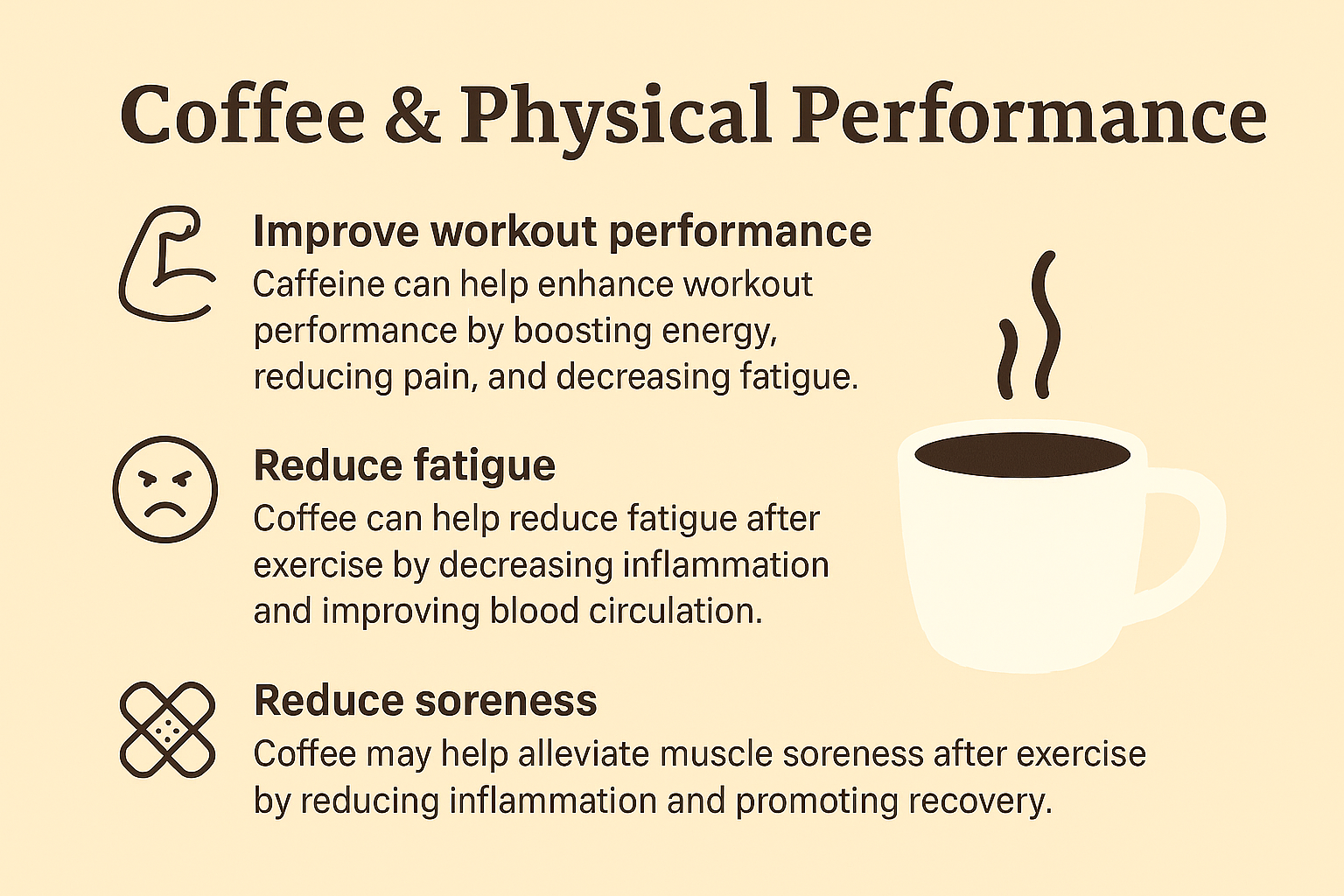
Improves exercise performance
Caffeine can help improve exercise performance by increasing energy, reducing pain and fatigue.
- Increases endurance: Caffeine can help you exercise longer and with higher intensity.
- Reduce pain: Caffeine can help reduce muscle pain, allowing you to exercise more comfortably.
- Increase strength: Caffeine can help increase muscle strength, helping you lift heavier weights.
Reduce fatigue after exercise
After exercise, the body often feels tired and sore. Coffee can help reduce this feeling by reducing inflammation and increasing blood circulation.
- Reduce muscle inflammation: Caffeine can help reduce muscle inflammation, helping you recover faster after exercise.
- Increase blood circulation: Caffeine can help increase blood circulation, helping to provide oxygen and nutrients to recovering muscles.
Notes to enjoy morning coffee in a healthy way
To maximize the benefits of drinking morning coffee, you need to keep a few important things in mind.
Best time to drink coffee
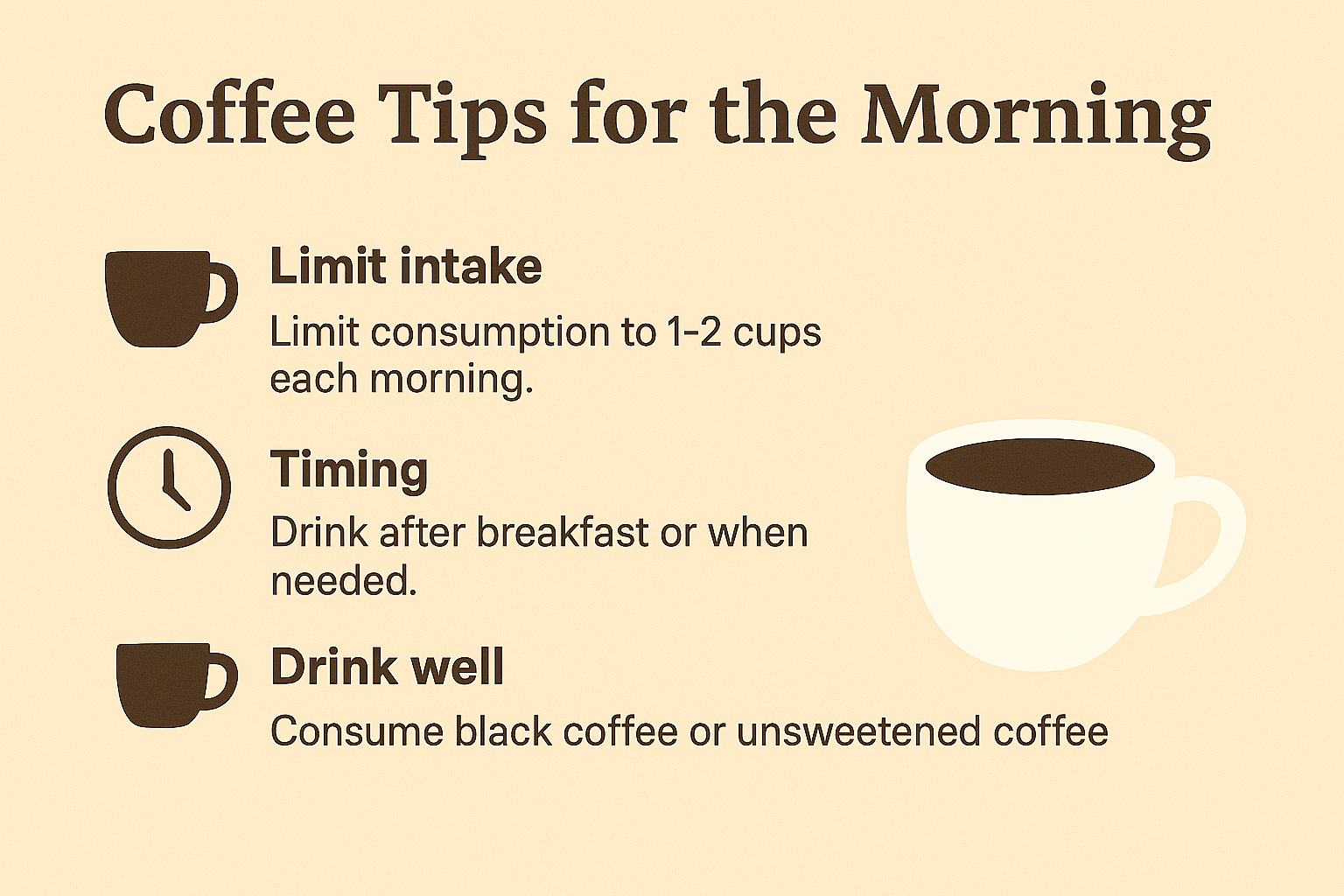
The best time to drink coffee is about 1-2 hours after waking up. Drinking coffee right after waking up can reduce the effectiveness of caffeine because your body is producing cortisol, a hormone that naturally wakes you up.
- Avoid drinking coffee in the evening: Drinking coffee in the evening can make it difficult to fall asleep and affect the quality of your sleep.
- Listen to your body: Pay attention to how your body reacts to caffeine and adjust the timing of your coffee consumption accordingly.
The right amount of coffee per day
The right amount of coffee per day depends on many factors, including your weight, age, and overall health. Most experts recommend consuming no more than 400mg of caffeine per day, which is about 4 cups of coffee.
- Start small: If you are new to drinking coffee, start small and increase over time.
- Monitor your body's response: Pay attention to signs such as anxiety, restlessness, or difficulty sleeping and reduce the dosage if necessary.
How to Combine Coffee with a Balanced Diet
To get the most out of your morning coffee, you should combine it with a healthy, balanced diet.
- Drink coffee with a protein- and fiber-rich breakfast: This will help keep your energy steady throughout the morning.
- Avoid adding too much sugar or cream to your coffee: Adding too much sugar or cream can reduce the health benefits of coffee.
- Drink enough water: Coffee can have a diuretic effect, so make sure you drink enough water to avoid dehydration.


 0902376267